
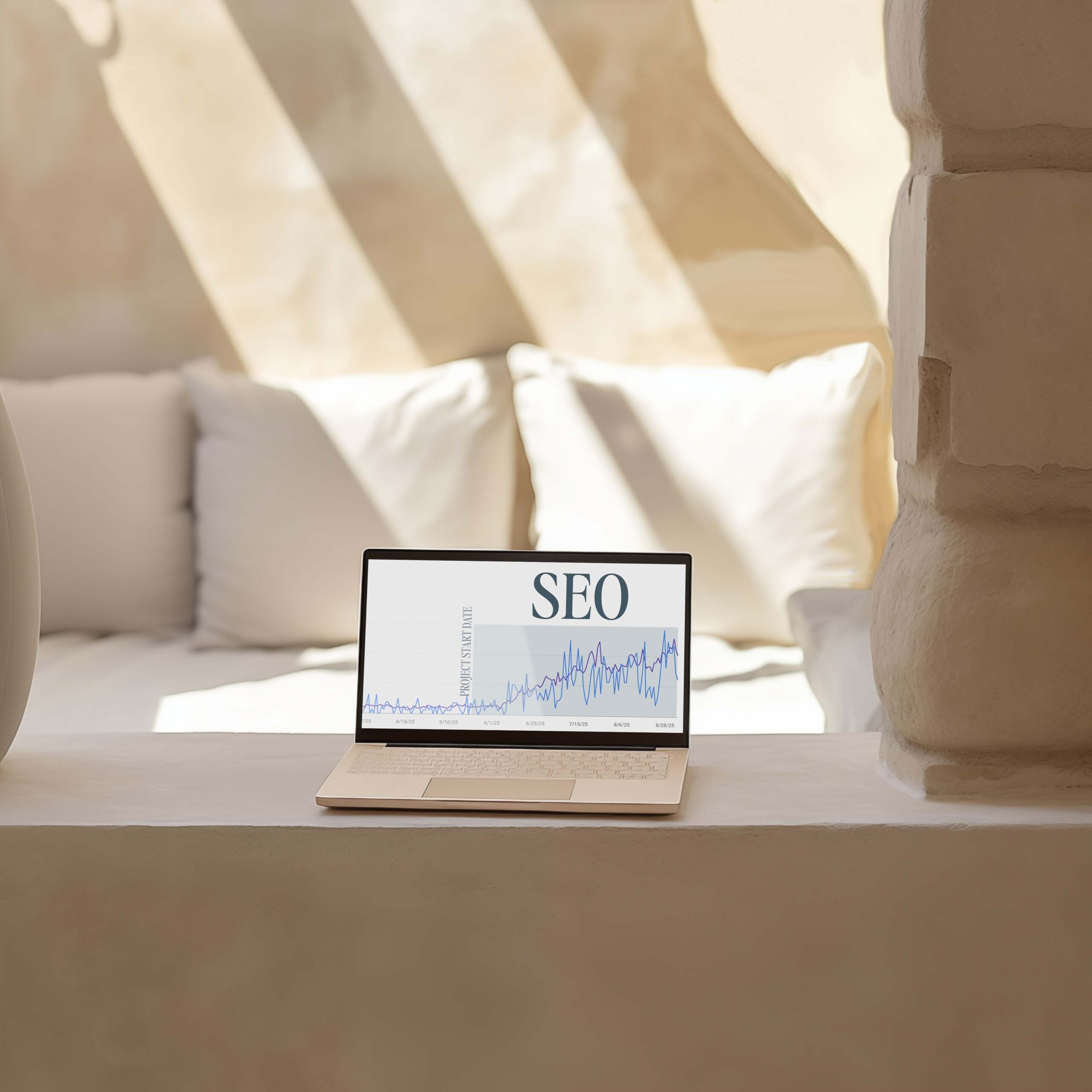
Creating the best website design for SEO isn’t just about making your site look beautiful — it’s about building a digital space that performs. Search engines now reward websites that load fast, engage users, and align structure with content. In this guide, I’ll share how thoughtful design choices directly impact your rankings and visibility. You’ll learn the exact principles I use to design websites that not only attract traffic but convert visitors into clients.
Whether you’re building your site from scratch or refining what you already have, this guide will help you bridge the gap between creativity and strategy — so your website becomes both stunning and searchable.
Table of Contents
- Why Great Design Means Nothing Without Visibility
- What Makes a Website Design SEO-Friendly (and Why It Matters More Than Ever)
- The Elements of the Best Website Design for SEO (and How to Implement Them)
- Common Mistakes That Sabotage SEO-Friendly Design
- Frequently Asked Questions About Website Design and SEO
- Ready to Build a Website That Gets Found (and Converts)?
Why Great Design Means Nothing Without Visibility
When I first started creating websites, I thought beautiful design was enough. I believed that if a website looked clean, elegant, and professional, people would naturally find it. But over time, I learned something that changed how I approach every project: a website can be visually stunning and still completely invisible online. Without SEO, design has no direction. Without visibility, even the most brilliant design fails to serve its purpose.
A Beautiful Site That No One Sees
I’ve met so many clients who come to me frustrated after investing thousands in design that didn’t deliver results. They have a gorgeous site that perfectly represents their brand but doesn’t attract visitors, doesn’t show up in search results, and doesn’t generate inquiries. When I audit their websites, the issue isn’t their creativity or branding—it’s the lack of structure beneath it. Their designer focused on how the site looked, but not how it functioned in Google’s eyes.
Search engines don’t see color palettes, typography, or imagery. They see structure, hierarchy, keywords, and behavior. They rank based on how a user interacts with the site, how quickly it loads, and how easy it is to navigate. The best website design for SEO considers all of that before a single pixel is placed.
It’s not about choosing between design and SEO—it’s about using both to support each other. Design draws people in, but SEO helps them find you in the first place. I often tell my clients, “If your website isn’t being discovered, it doesn’t matter how beautiful it is.”
How SEO Shapes the Creative Process
When I start a new project, I design with visibility in mind from day one. That means thinking about structure, hierarchy, and user intent before visuals. I ask questions like: What will people search to find this page? and What content needs to live above the fold? These decisions don’t limit creativity—they refine it.
For example, I might build a layout that visually emphasizes a service keyword while also optimizing headlines and internal links. The result is a design that’s cohesive, intentional, and searchable. Every creative decision—from font choices to imagery placement—serves both aesthetics and discoverability.
Google’s algorithms have evolved beyond keywords and backlinks. They now reward experience, usability, and trustworthiness. That means your design directly affects how Google perceives your credibility. A clean, fast, mobile-friendly design with clear navigation signals that your brand values user experience—and that’s something both people and search engines reward.
The Foundation of Modern Visibility
In today’s digital world, great design doesn’t just look good—it performs. It creates trust, communicates expertise, and builds relationships before you ever speak to a client. But none of that can happen if people can’t find you. That’s why SEO is no longer a feature—it’s a foundation.
The best website design for SEO isn’t about checking boxes; it’s about creating alignment between art and analytics. It’s about crafting something that’s not only visually powerful but also discoverable, intuitive, and measurable. When design and SEO work together, you get a site that doesn’t just impress—it converts.
What Makes a Website Design SEO-Friendly (and Why It Matters More Than Ever)
When I talk about the best website design for SEO, I don’t mean cramming keywords into your homepage or stuffing metadata with phrases. SEO-friendly design is about intention — how every part of your website, from layout to load speed, supports visibility and conversion. Over the years, I’ve learned that the most effective websites aren’t just designed to look good. They’re designed to be found.
Structure That Supports Search Engines
Think of your website like a house. SEO is the blueprint, and design is the décor. Without a solid structure, the décor doesn’t matter because no one can find the door. Google relies on your site’s structure to understand what your pages mean and how they connect. That means your navigation, hierarchy, and linking patterns have to be clear — not only for users but for crawlers.
When I design, I always start with architecture. Every page needs a purpose, and every piece of content needs a path. I create categories that make sense to humans but also help Google see relationships. For example, if you’re a life coach, your site might have sections for Career Coaching, Mindset Coaching, and Group Programs. This structure helps visitors navigate while also giving Google distinct keyword signals.
Simple, intuitive navigation does more than guide users — it keeps them on your site longer. And longer engagement time tells Google your site is valuable.
Speed, Mobile Design, and Core Web Vitals
The best website design for SEO is fast. Google’s Core Web Vitals measure how quickly your site loads, how stable it feels while loading, and how fast users can interact with it. If your site lags or shifts as it loads, you’re losing both visitors and rankings.
I design with speed in mind. That means compressing images, using clean code, and minimizing unnecessary scripts. I test designs on multiple devices to make sure they’re as seamless on a phone as they are on a desktop. Because here’s the truth: most of your visitors will find you on mobile, not a laptop.
A slow or cluttered design sends one clear message to your visitors: this experience isn’t worth my time. A clean, responsive site sends the opposite message — this brand values my time and attention.
Readable, Searchable, and Purposeful Content
No matter how stunning your visuals are, your words still drive SEO. A site that looks incredible but says little won’t perform. Every section of copy — from headers to body text — needs to use your keywords naturally and strategically.
When I write or collaborate with copywriters, I focus on clarity. I use headings that both guide readers and signal relevance to Google. H2s and H3s aren’t just formatting—they’re SEO tools. Each one should include keywords that align with user intent.
But here’s where most people go wrong: they treat SEO as separate from design. In reality, they should inform each other. For example, I might design a hero section that visually highlights a keyword phrase — not just for SEO value but for messaging clarity.
User Experience: The Secret SEO Signal
Google’s algorithms have one primary goal: to reward websites that users love. That means your design must feel effortless. Pages should be easy to scan, buttons should be visible, and forms should be intuitive.
I often ask myself, “Would I stay on this page if I weren’t the designer?” If the answer is no, something needs to change. Great design isn’t just about aesthetics—it’s about empathy. The more your design aligns with user behavior, the higher you’ll rank and the more likely visitors are to take action.
Why It Matters More Than Ever
Search has changed. Google, Bing, and even AI-driven tools like ChatGPT and Perplexity are analyzing websites differently. They’re rewarding clarity, authority, and user experience. That means SEO isn’t just about backlinks or keywords anymore—it’s about trust.
Your website design plays a massive role in that trust. A well-structured, visually cohesive, and content-rich site tells both visitors and search engines that you’re a reliable, professional authority. And when design and SEO align, you don’t just attract clicks—you build relationships.
The Elements of the Best Website Design for SEO (and How to Implement Them)
When I look at websites that perform consistently well in search results, they all share one thing in common: balance. Each page is a balance between creativity and clarity, between beauty and structure. To design a website that ranks, every element — from your visuals to your copy — has to work toward the same goal: being both engaging and searchable.
1. Strategic Site Architecture
A high-performing site starts with strong architecture. Think of your homepage as the hub and every other page as a spoke. Each spoke should serve a purpose, connect back to your core services, and lead visitors down a path that makes sense.
When I design for SEO, I create internal link systems that guide Google’s crawlers while improving user experience. This means including keyword-rich anchor text, avoiding orphan pages, and maintaining consistent navigation. Google loves clarity — so do your visitors.
2. On-Page SEO That Supports Design
An SEO-optimized website isn’t about keyword stuffing; it’s about context. I integrate keywords into headings, image alt text, and metadata in ways that sound natural and align with your voice. Each heading carries weight — it should both inform the reader and signal search relevance.
For example, if I’m designing a section for “business coaching,” I’ll include a clear H2 for that keyword, write a short paragraph that explains its value, and pair it with a visual that reinforces the message. Design and SEO should move in tandem.
3. Visual Hierarchy and Readability
The best website design for SEO is scannable. Most users won’t read every word — they’ll skim, pause, and decide whether to keep going. That’s why I design layouts with clear visual hierarchy.
This means using large, keyword-rich headlines; shorter paragraphs; and strong subheadings (H3s) to break up content. I use whitespace deliberately so that visitors can absorb your message without overwhelm. The more readable your design, the longer people stay — and Google notices that engagement.
4. Mobile Experience and Responsiveness
If your website isn’t mobile-friendly, you’re already behind. More than half of your visitors are likely coming from a phone, and Google now indexes the mobile version of your site first.
I build responsive layouts that load quickly and feel intuitive on every screen size. Menus adapt, buttons resize, and content shifts gracefully without breaking flow. Mobile experience isn’t an afterthought — it’s the foundation of modern visibility.
5. Calls to Action That Convert
Design and SEO share one ultimate purpose: to turn visibility into action. Whether it’s a consultation, a download, or an inquiry, your site should clearly guide users toward that next step.
I often place CTAs after informative sections, when the reader is most engaged. Instead of generic “Learn More” buttons, I use language that matches intent — like “Optimize My Site” or “Show Me How to Rank Higher.” Strategic copy, color contrast, and placement all work together to drive conversions.
Common Mistakes That Sabotage SEO-Friendly Design
After auditing dozens of sites, I’ve noticed that even well-intentioned designs often fall short of SEO potential. Here are a few of the biggest culprits I see — and how I fix them.
1. Ignoring Site Speed
High-resolution images, animation scripts, and bulky code can slow a site down dramatically. I always test load times before launch, using tools like Google PageSpeed Insights to optimize assets and caching. A site that loads in under three seconds keeps visitors (and rankings) intact.
2. Neglecting Accessibility
Accessibility isn’t just a moral responsibility — it’s an SEO advantage. When you include alt text, structured data, and clear navigation, you make your site easier to crawl and understand. Plus, accessibility improves usability for everyone, which translates to longer engagement times.
3. Keyword Inconsistency
Using different phrases to describe the same thing confuses search engines. If one page says “SEO-friendly web design” and another says “optimized website design,” Google may treat them as separate topics. Consistency strengthens your authority and helps your pages support one another.
4. Lack of Internal Links
I see this mistake constantly — pages that live in isolation. Without internal linking, Google can’t map your site’s relationships, and users can’t find related content. Every page should link logically to at least one other page that adds value.
Frequently Asked Questions About Website Design and SEO
1. Does website design really affect SEO?
Absolutely. Your design affects everything Google measures — load time, structure, engagement, and usability. Even small design choices, like button size or image compression, impact how your site performs in search.
2. How can I make sure my web design is SEO-friendly?
Start with structure and content hierarchy. Ensure every page has a clear purpose, uses keywords naturally, and includes relevant headings. Then, test your site speed, mobile responsiveness, and accessibility.
3. Is visual design less important than SEO?
Not at all. Visual design is what converts visitors once they arrive. SEO brings people in, but great design keeps them there. The best results come when both are aligned from the start.
4. Should I redesign my website for SEO?
If your site is outdated, slow, or not optimized for mobile, a redesign could dramatically improve your visibility. SEO-friendly redesigns often lead to better rankings and conversions within months.
5. How often should I update my website design for SEO?
I recommend reviewing your site every 12–18 months. SEO standards evolve quickly, especially with AI-driven ranking changes. Keeping your design flexible ensures long-term visibility.
Ready to Build a Website That Gets Found (and Converts)?
If your current website looks good but isn’t generating the visibility you deserve, it’s time for a strategic redesign. You don’t need another template — you need a website that blends creativity with data-backed SEO.
That’s where I come in. My approach to web design starts with SEO architecture and ends with a beautiful, high-performing site that reflects who you are and attracts the clients you want.
Whether you’re ready to optimize your current site or start fresh, I can help you align design and visibility from the ground up. Let’s turn your website into your most powerful marketing tool. Book your SEO 7-Day Surge and take your SEO game to the next level!
Browse By Category


Digital Creative Marketing Agency
A full-service digital marketing agency specializing in Showit website design, Shopify website design, SEO for creatives, and paid ad strategy across Pinterest, Meta, and Google. We help photographers, small business owners, and creative entrepreneurs build intentional brands that align with their vision and drive measurable results. Our signature services include social media marketing, Pinterest management, and 7-Day SEO and Ad Strategy Surges — all designed to increase visibility, improve conversions, and simplify growth. At High Tide Strategy, we combine data-driven strategy with refined design to create marketing systems that are both beautiful and built to perform.