

A graphic design SEO description does far more than fill space in search results. It explains your work in language search engines can interpret and potential clients can trust. For design-led websites, descriptions often carry more weight because visuals alone do not communicate enough context in search.
This guide breaks down what a graphic design SEO description actually is, why it matters more for creative businesses, and how designers should write descriptions that support clarity, alignment, and click quality. You will learn how SEO descriptions differ across page types, how to translate visual intent into search language, and how strong descriptions fit into a larger SEO system without compromising brand tone or design quality.
If your website looks polished but struggles to get clicked or attracts the wrong audience, this post will help you understand how SEO descriptions influence interpretation and what changes improve performance.
Table of Contents
- What a Graphic Design SEO Description Actually Is
- Why SEO Descriptions Matter More for Design Websites
- How to Write SEO Descriptions for Graphic Design Websites
- SEO Description Examples for Graphic Designers
- Common Mistakes Designers Make With SEO Descriptions
- How SEO Descriptions Fit Into a Larger SEO System
- Frequently Asked Questions About Graphic Design SEO Descriptions
- Final Thoughts: Writing SEO Descriptions That Match Your Design
What a Graphic Design SEO Description Actually Is
I see a lot of confusion around SEO descriptions, especially in design-led businesses. Most designers treat them as an afterthought. Some copy a sentence from the page and move on. Others rely on generators and hope for the best.
That approach misses the point entirely.
A graphic design SEO description exists to communicate meaning quickly and clearly in search. It helps search engines understand what a page offers, and it helps potential clients decide whether to click. When written well, it acts as a bridge between search intent and on-site experience.
SEO descriptions are not just about keywords. They are about interpretation.
SEO Descriptions Are About Context, Not Just Metadata
Many designers assume SEO descriptions only refer to meta descriptions. While meta descriptions matter, the concept goes further than that.
SEO descriptions appear anywhere a page explains itself to search engines and users. Page summaries, service intros, portfolio overviews, and even structured snippets all contribute to how a page gets understood.
A strong graphic design SEO description explains what the page is about, who it is for, and why it matters. That clarity supports both visibility and click-through behavior.
Search engines reward pages that explain themselves well. Users do too.
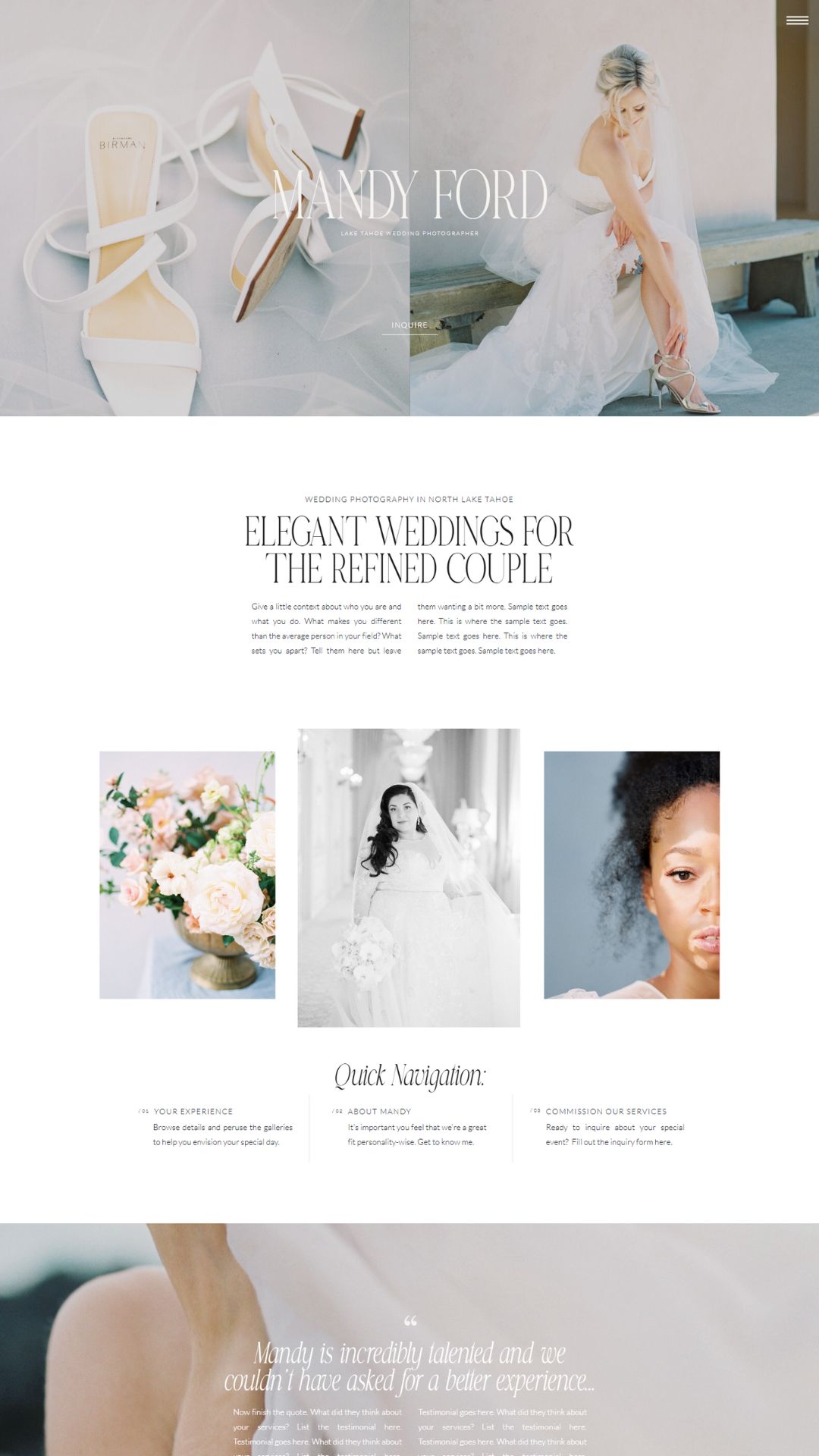
Designers Communicate Visually, Search Engines Do Not
Design communicates meaning visually through layout, typography, spacing, and hierarchy. Search engines do not interpret those signals the same way humans do.
SEO descriptions help translate visual intent into language. They explain what design implies.
When designers skip this step, search engines have to guess. Guessing leads to weaker rankings and mismatched traffic.
I see better performance when designers treat descriptions as part of the design system rather than a technical requirement.
A Good SEO Description Sets Expectations
SEO descriptions influence who clicks and who scrolls past. That matters more than most designers realize.
A vague description attracts vague interest. A clear description attracts aligned interest.
Graphic design SEO descriptions work best when they set honest expectations. They should reflect the tone, scope, and focus of the page. Overpromising leads to bounce. Under-explaining leads to missed opportunities.
Clarity filters for fit.
Descriptions Support Every Page Type Differently
Not every page needs the same kind of description. Service pages, portfolio pages, blogs, and homepages all serve different purposes.
SEO descriptions should match that purpose.
Service descriptions should clarify offerings and outcomes. Portfolio descriptions should provide context and relevance. Blog descriptions should explain the value of reading further.
One-size-fits-all descriptions weaken interpretation across the site.
Why SEO Descriptions Matter More for Design Websites
SEO descriptions matter for every website, but they matter more for design websites because so much meaning lives in visuals. When visuals dominate the experience, descriptions become the primary way search engines and potential clients understand what those visuals represent.
Design-heavy pages without clear descriptions leave too much open to interpretation.
Search Results Are Often the First Design Experience
Before anyone sees your website, they see how it appears in search. Titles and descriptions shape that first impression.
For design businesses, this moment carries extra weight. Potential clients evaluate quickly. They want to know if your work aligns with their needs, taste, and expectations.
A strong graphic design SEO description helps your site feel intentional before the page even loads. It communicates focus, clarity, and confidence.
When descriptions feel generic, searchers assume the work will feel generic too.
Descriptions Influence Click Quality, Not Just Click Volume
Many designers focus on click-through rates without considering click quality. Getting more clicks does not help if the traffic feels misaligned.
SEO descriptions act as a filter. They help the right people click and give others a reason to scroll past.
I would rather see fewer clicks from people who understand the work than more clicks from people who feel confused once they land. Clear descriptions reduce bounce rates and improve engagement signals over time.
Search engines notice that behavior.
Design Websites Rely on Interpretation More Than Explanation
Design websites often rely on implication rather than explanation. Visual storytelling replaces long blocks of text. Layout carries meaning.
Search engines do not interpret implication well. They rely on explicit language.
SEO descriptions provide that language. They explain what visuals suggest, clarify what services include, and describe outcomes rather than aesthetics alone.
Without strong descriptions, search engines must infer meaning from limited signals. Inference leads to weaker positioning.
Descriptions Support Trust Before Content Does
Trust starts forming before visitors read a single paragraph. SEO descriptions help establish credibility early.
Clear descriptions signal professionalism. Intentional language suggests strategy. Vague or overstuffed descriptions create doubt.
For design businesses, trust influences conversion more than urgency. Descriptions set the tone for that trust.
How to Write SEO Descriptions for Graphic Design Websites
Writing SEO descriptions for graphic design websites requires more intention than most designers expect. These descriptions are not just summaries. They are positioning statements that sit at the intersection of search intent and brand perception.
I approach SEO descriptions as part of the communication system, not as isolated snippets. When descriptions align with how a page functions and how a brand presents itself, they support visibility and conversion at the same time.
Begin With the Page’s Role, Not the Keyword
Before writing anything, I identify what the page is meant to accomplish. Every page has a job. Some pages exist to attract new visitors. Others exist to convert. Some exist to prove credibility.
That role determines how the SEO description should sound.
A service page description should clarify what is offered and who it is for. A portfolio page description should provide context and relevance. A blog description should explain the value of reading further.
Starting with the page role prevents vague language and forced optimization. Keywords fit more naturally when intent leads the process.
Anchor the Description in One Clear Outcome
Strong SEO descriptions focus on one primary takeaway. That takeaway should match what the visitor will experience after clicking.
For design websites, outcomes often relate to clarity, alignment, or expertise rather than features. The description should hint at that value without overselling.
I avoid trying to explain everything at once. A focused description performs better than a crowded one. One idea creates confidence. Too many ideas create hesitation.
Clarity improves click quality.
Translate Design Language Into Search Language
Designers often rely on visuals to communicate meaning. SEO descriptions require that meaning to be expressed in words.
I look at the page design and ask what it communicates visually. Does it feel strategic, expressive, or niche-specific.
The description should reflect that tone in language. Strategic design benefits from clear, confident wording. Expressive design benefits from descriptive but grounded phrasing.
This translation step helps search engines understand what visuals imply and helps users feel aligned before clicking.
Include the Primary Keyword Naturally and Once
Keywords still matter, but they do not need to dominate the description. I include the primary keyword once in a way that feels natural and supportive.
Forcing repetition makes descriptions feel generic. Search engines understand variations and context. Humans respond to readability.
When the keyword fits cleanly into a sentence that explains value, it works harder without sounding optimized.
Write Descriptions That Sound Like an Introduction
I treat SEO descriptions as introductions rather than summaries. An introduction invites someone in. A summary often feels flat.
Good descriptions feel conversational but confident. They explain what the page offers and why it matters without resorting to hype or filler.
This tone builds trust early. Trust influences clicks more than clever phrasing.
Match Description Tone to Brand Tone
SEO descriptions should sound like the brand, not like a search engine output. Tone consistency matters more for design businesses than for many other industries.
A refined brand should sound refined. A bold brand should sound confident. A minimalist brand should sound clear and direct.
When descriptions feel disconnected from on-site experience, visitors feel friction immediately. Alignment strengthens credibility.
Adjust Descriptions by Page Type
Different page types require different description strategies.
Service page descriptions should emphasize scope and outcomes. Portfolio descriptions should provide context and relevance. Blog descriptions should focus on insight and value. Homepage descriptions should explain positioning clearly.
Using the same description structure everywhere weakens performance. Variation based on purpose improves interpretation.
Keep Length Intentional, Not Maximal
SEO descriptions do not need to hit character limits to perform well. They need to communicate clearly within the available space.
I focus on saying what matters first. Extra words rarely improve performance. Precision often does.
When a description feels complete before the character limit, I stop writing. Restraint supports clarity.
Review Descriptions Through the Lens of Expectations
After writing a description, I ask one final question. Would I feel satisfied landing on this page after reading this?
If the answer feels uncertain, the description needs refinement.
SEO descriptions perform best when they set accurate expectations and then meet them. Alignment improves engagement and trust.
SEO Description Examples for Graphic Designers
Examples help designers move from theory into execution, but examples only work when they explain why something works rather than what to copy. SEO descriptions should feel specific to the page and brand, not interchangeable across sites.
I use examples to demonstrate structure, tone, and clarity rather than exact wording.
Homepage SEO Description Example
A homepage description should explain positioning quickly. It sets context for everything else on the site.
A strong graphic design SEO description for a homepage clearly states what kind of design work you do and who it is for. It avoids listing every service. It focuses on alignment.
An effective homepage description communicates focus, not flexibility. Searchers should understand whether the site is relevant to them before clicking.
When homepage descriptions feel generic, they attract unfocused traffic. When they feel intentional, they attract better-fit visitors.
Service Page SEO Description Example
Service page descriptions should clarify scope and outcomes. These descriptions support conversion rather than discovery.
A strong service description explains what the service includes and who benefits from it. It avoids vague language like “custom solutions” or “creative excellence.”
Specificity improves trust. Clear descriptions help visitors self-select before reaching out.
I see stronger engagement when service descriptions describe how the service solves a real problem rather than how creative the work feels.
Portfolio Page SEO Description Example
Portfolio descriptions provide context. They explain relevance rather than sell.
A good portfolio SEO description clarifies what type of work appears on the page and what kind of projects it represents. Industry focus, project type, or role all help search engines interpret relevance.
Portfolio descriptions should not repeat service language. They should support evaluation instead of conversion.
Context improves understanding for both search engines and potential clients.
Blog Page SEO Description Example
Blog descriptions exist to communicate value. They should explain why the content matters and what problem it addresses.
A strong blog description feels like an invitation. It explains what the reader will gain by reading further.
I avoid clickbait phrasing. Honest descriptions build long-term trust and stronger engagement signals.
Value-driven language performs better than hype.
Common Mistakes Designers Make With SEO Descriptions
Most SEO description issues come from misunderstanding their role. Designers either over-optimize or under-explain. Both approaches weaken clarity.
Recognizing these patterns helps designers correct course without rewriting everything.
Writing Descriptions After the Fact
Designers often write SEO descriptions as the final step. By that point, clarity issues already exist on the page.
I prefer writing descriptions early or revisiting them intentionally. Descriptions often reveal where messaging feels unclear.
Treating descriptions as part of the strategy improves alignment across the site.
Reusing the Same Description Across Pages
Repeating descriptions saves time but creates confusion. Search engines struggle to differentiate pages with similar descriptions.
Each page should have a unique description that reflects its purpose. Variation supports interpretation.
Unique descriptions also improve click behavior by setting accurate expectations.
Relying on Generators Without Review
SEO description generators can help with drafts, but they lack context. They often produce generic language that fails to reflect brand tone or page intent.
I recommend using generators as starting points only. Human review and refinement remain essential.
Automation should support clarity, not replace it.
Overstuffing Keywords
Forcing keywords into descriptions makes them harder to read. Search engines notice poor engagement and adjust accordingly.
One natural use of the primary keyword works better than repetition. Supporting language provides context.
Readability always wins.
Ignoring How Descriptions Appear in Search
Designers sometimes forget to view descriptions in real search results. Truncated text or awkward phrasing can change interpretation.
I recommend reviewing how descriptions appear live. Small adjustments often improve clarity dramatically.
SEO descriptions exist to be seen. Testing matters.
How SEO Descriptions Fit Into a Larger SEO System
SEO descriptions do not work in isolation. They perform best when they support the broader SEO system across a website. When descriptions align with keywords, structure, content, and design, they strengthen interpretation and engagement together.
I think of SEO descriptions as connective tissue. They tie intent to experience.
Descriptions Reinforce Keyword Intent
Keywords bring visitors to a page. Descriptions help them decide whether to click.
When descriptions reflect the same intent as the keyword strategy, search engines see consistency. Users experience clarity.
Misalignment creates friction. A keyword may promise one thing while the description suggests another. That disconnect reduces trust and engagement.
Strong SEO systems ensure descriptions echo the same message as page titles, headings, and content focus.
Descriptions Support Page Hierarchy
Search engines evaluate pages in context. They look at how pages relate to one another.
SEO descriptions help clarify that hierarchy. Service descriptions emphasize offerings. Portfolio descriptions emphasize proof. Blog descriptions emphasize insight.
When descriptions match page roles, hierarchy becomes clearer. Search engines understand which pages convert, which educate, and which support evaluation.
Clear hierarchy improves site-wide performance.
Descriptions Improve Engagement Signals
Engagement signals matter. Click behavior, bounce rates, and time on page all influence how search engines evaluate relevance.
Descriptions set expectations. Accurate expectations lead to better engagement.
When visitors find what they expect, they stay longer and explore further. Search engines interpret that behavior as satisfaction.
SEO descriptions act as the first engagement filter.
Descriptions Work Best With Internal Linking
Internal links guide visitors deeper into the site. Descriptions often influence which pages receive that traffic.
Informational descriptions attract early-stage visitors who later move into service pages. Service descriptions attract ready-to-hire visitors who may explore proof.
This flow strengthens SEO as a system rather than a set of isolated pages.
Descriptions Reveal Messaging Gaps
Writing SEO descriptions often exposes weak messaging. If a page feels hard to describe clearly, the problem usually exists on the page itself.
I use descriptions as a diagnostic tool. Difficulty writing them signals the need for clearer positioning or structure.
Strong SEO systems rely on clarity at every level.
Frequently Asked Questions About Graphic Design SEO Descriptions
What is a graphic design SEO description
A graphic design SEO description explains the purpose and value of a page in clear language that search engines and users can understand. It helps translate visual intent into words and sets expectations before someone clicks.
Are graphic design SEO descriptions the same as meta descriptions
Meta descriptions are one type of SEO description, but the concept goes beyond metadata. Page summaries, service intros, and contextual explanations all contribute to how a page gets interpreted.
SEO descriptions exist wherever a page explains itself.
How long should a graphic design SEO description be
Length matters less than clarity. Most meta descriptions fall between 140 and 160 characters, but strong descriptions prioritize meaning over hitting limits.
Clear, complete descriptions often perform better than padded ones.
Should every page have a unique SEO description
Yes. Each page serves a different role and should communicate a distinct purpose. Reusing descriptions creates confusion for search engines and users.
Unique descriptions support clarity and improve click behavior.
Can SEO descriptions help rankings directly
SEO descriptions do not directly control rankings, but they influence engagement. Better engagement supports stronger performance over time.
Descriptions shape how users interact with search results.
Do SEO description generators work for design websites
Generators can help create drafts, but they lack context and brand awareness. Design websites benefit from intentional language that reflects tone and positioning.
Human refinement remains essential.
How often should designers update SEO descriptions
Designers should revisit descriptions when services change, focus evolves, or pages underperform. Regular review supports alignment and clarity.
Constant rewriting is unnecessary. Intentional updates work best.
How does the 7-Day SEO Surge address SEO descriptions
During the 7-Day SEO Surge, I review SEO descriptions alongside structure, keywords, and intent. I identify where descriptions misalign with page roles or positioning.
Designers leave with clear guidance that strengthens clarity without changing their aesthetic.
Final Thoughts: Writing SEO Descriptions That Match Your Design
I want designers to stop treating SEO descriptions as an obligation and start treating them as part of the design conversation. A graphic design SEO description is not filler text. It is one of the clearest signals you send to search engines and potential clients about what your work represents.
Strong descriptions do not try to impress algorithms. They focus on communication. They explain what a page offers, who it is for, and why it matters. When descriptions align with design intent, search engines understand pages more accurately and users arrive with clearer expectations.
Design-led websites rely heavily on implication. SEO descriptions provide the explanation that implication alone cannot. They translate visual strategy into language that search engines can interpret and clients can trust.
When descriptions feel vague, generic, or disconnected, performance suffers quietly. Rankings weaken. Click quality drops. Engagement falters. These issues rarely point to a lack of talent or effort. They point to a lack of alignment.
The designers who see the strongest SEO results treat descriptions as part of a system. Keywords, structure, content, and design all reinforce each other. Descriptions connect those elements and help the entire site communicate more clearly.
That clarity is exactly what I focus on inside the 7-Day SEO Surge.
During the SEO Surge, I review your SEO descriptions alongside your pages, keywords, and structure. I identify where descriptions under-explain, over-promise, or conflict with design intent. You leave with clear guidance on how to write descriptions that support visibility without changing your aesthetic or voice.
If your website looks intentional but struggles to get found or clicked, refining your graphic design SEO descriptions is often the simplest place to start. The 7-Day SEO Surge helps you do that with clarity and confidence.
Struggling to get leads and ready to fix your
We're so confident The Marketing Lab will transform your business that we're giving you 7 days of FREE ACCESS to our most valuable content.

LIMITED TIME FREE OFFER | No Credit Card Required
everything problem?
Try The Marketing Lab RIsk-FREE NOW!
Try For Free!





Marketing Membership
SEO for Wedding Pros
Shopify Website Design
Browse our Signature services:
Showit Website Design
Shop Showit Templates



Full-Service Marketing Agency
Terms
Privacy Policy
Earnings Disclaimer
Copyright mandy ford llc
Mandy Ford LLC is not a part of the Facebook™ website or Meta Platforms, Inc. Additionally, this page is NOT endorsed by Facebook™, Meta™, Instagram™, or any related entity. We make no guarantees of earnings or results. View our full Earnings Disclaimer here.

