




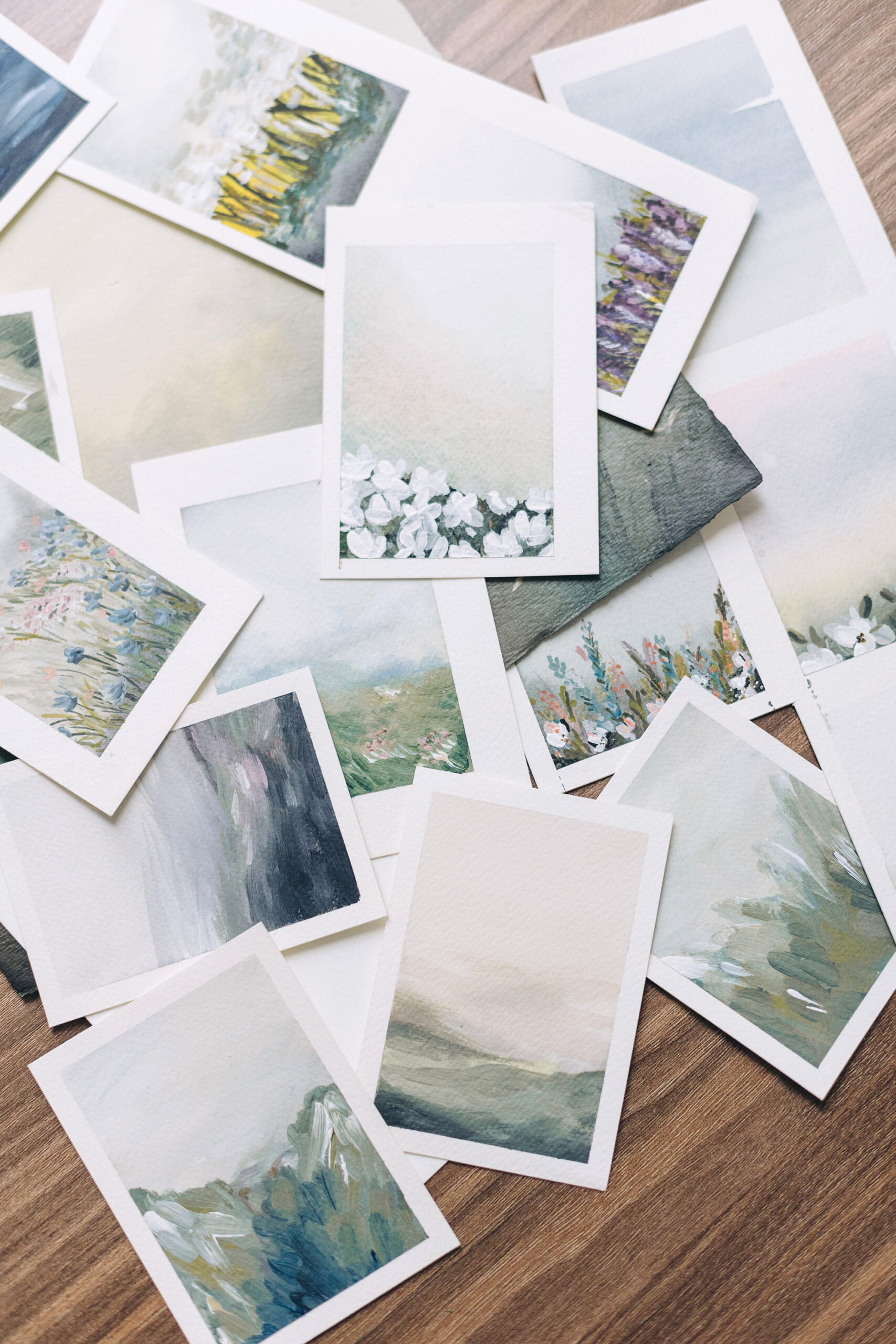

Florist marketing ideas should feel supportive, not overwhelming. When inspiration turns into pressure, marketing often stalls before it ever gains momentum.
This guide brings together florist marketing ideas designed to be flexible, refined, and easy to adapt. You’ll find ideas organized by purpose, season, and context, from content and visual discovery to local visibility and wedding-focused marketing. Each section is meant to help you choose ideas that align with your brand, your capacity, and the level of experience you offer.
If you’re looking for florist marketing ideas you can pull from when you need direction, inspiration, or a fresh perspective, this guide is designed to meet you there.
Table of Contents
- How to Use These Florist Marketing Ideas
- High-Impact Florist Marketing Ideas That Fit Into Full Schedules
- Content-Based Marketing Ideas for Florists
- Visual and Pinterest Marketing Ideas for Florists
- Online Marketing Ideas Beyond Social Media
- Local Marketing Ideas That Build Trust
- Wedding Florist Marketing Ideas
- Seasonal and Holiday Marketing Ideas for Florists
- How to Choose the Right Marketing Ideas for Your Business
- Frequently Asked Questions About Florist Marketing Ideas
- Marketing Ideas Should Support Your Brand, Not Compete With It
How to Use These Florist Marketing Ideas
When florists ask me for marketing ideas, what they usually want is relief. Not another plan. Not another strategy. Just options they can pull from when marketing feels stale or overwhelming.
That is how this list is meant to work.
These florist marketing ideas are not instructions you need to follow in order. They are meant to be flexible. You can skim, save, revisit, or ignore anything that does not fit your business right now.
Marketing works best when it supports your energy instead of draining it.
You Do Not Need to Use Every Idea
I want to be very clear about this. You do not need to try everything.
Marketing ideas are tools, not obligations. Some will feel exciting. Others will feel heavy. Paying attention to that reaction matters more than forcing yourself to follow a trend.
I encourage florists to choose one or two ideas at a time. That focus creates momentum without adding pressure. Once something feels established, you can layer in another idea if it makes sense.
Doing fewer things consistently almost always works better than doing many things sporadically.
Choose Ideas Based on Energy and Season
Timing plays a bigger role than most people expect.
Some marketing ideas work best during slower periods when you have space to create or experiment. Others are designed to run quietly during busy seasons without demanding constant attention.
Your energy also matters. Certain ideas require creativity and presence. Others rely on systems and setup. Neither is better. The right choice depends on where you are in your business.
I always recommend asking two questions before choosing an idea. Do I have the capacity for this right now. Does this support what I want my business to be known for.
When marketing ideas align with both, they tend to feel sustainable.
High-Impact Florist Marketing Ideas That Fit Into Full Schedules
Luxury marketing is not about doing more. It is about choosing ideas that carry weight, intention, and longevity.
For florists operating at a higher level, marketing should feel considered rather than constant. The most effective ideas often work quietly in the background, reinforcing trust and recognition without requiring daily attention.
This section focuses on marketing ideas that create impact while respecting the reality of full schedules and demanding seasons.
Reuse What Already Represents Your Best Work
Many florists overlook how much value already exists in their business.
Past weddings, events, styled shoots, and editorial features often hold more marketing potential than new content ever could. Reframing and redistributing that work allows visibility to continue without starting from scratch.
A single event can support multiple touchpoints. Website updates, blog features, Pinterest content, portfolio refreshes, and educational pieces can all stem from work you have already completed.
Luxury brands build recognition through repetition, not constant reinvention.
Small Refinements That Elevate Visibility
Marketing does not always require new initiatives.
Sometimes the most effective ideas involve refining what already exists. Updating service descriptions to reflect your current positioning. Adjusting language to speak more directly to your ideal client. Improving clarity on inquiry paths.
These refinements elevate perception. They also ensure that visibility leads to aligned inquiries rather than confusion.
Luxury marketing thrives on precision. Small details shape the overall experience.
Let Marketing Work Quietly in the Background
High-end floral businesses often benefit from marketing ideas that compound over time.
Search-friendly content, evergreen portfolio pages, and visual discovery platforms allow visibility to build steadily. Once these elements are in place, they continue working without daily input.
This approach supports consistency without demanding constant presence. It also creates space to focus on client experience and creative work.
Quiet visibility is often more powerful than frequent noise.
Choose Ideas That Reinforce Positioning
Not every marketing idea fits a luxury brand.
Before committing to an idea, I encourage florists to consider how it reinforces their positioning. Does it reflect the level of service you offer. Does it speak to the client you want more of. Does it feel aligned with how you want your brand perceived.
When marketing ideas support positioning, they strengthen trust. When they do not, they dilute it.
Luxury marketing works best when every touchpoint feels intentional.
Content-Based Marketing Ideas for Florists
Content remains one of the most effective ways to build long-term visibility without relying on constant promotion. For luxury florists, content should feel intentional, editorial, and aligned with expertise rather than transactional.
Strong content positions your brand as a trusted authority before a client ever reaches out.
Website and Blog Content That Builds Trust
Your website often becomes the deciding factor for high-end clients.
Well-written blog content helps guide that decision by answering questions, setting expectations, and reinforcing your level of service. Topics that explore your design process, sourcing philosophy, or approach to events tend to resonate strongly with clients who value experience and expertise.
Educational content also plays a role. Explaining timelines, investment ranges, or planning considerations helps qualify inquiries before they arrive. That clarity supports both client experience and efficiency.
Content works best when it reflects how you actually work, not what you think you should say.
Editorial-Style Content That Elevates Perception
Luxury brands benefit from content that feels editorial rather than instructional.
This might include behind-the-scenes insights from events, reflections on seasonal inspiration, or thoughtful commentary on design trends. These pieces invite readers into your world without feeling promotional.
Editorial content builds connection through storytelling. It also creates depth, which helps differentiate your brand in a crowded market.
Not every piece needs to convert immediately. Some content exists to shape perception and reinforce value over time.
Turning One Idea Into Multiple Assets
High-end content performs best when it is reused strategically.
A single blog post can support website updates, visual content, Pinterest pins, and even client conversations. This approach allows content to live in multiple places without requiring constant creation.
Revisiting older content is equally valuable. Updating imagery, refining language, or adding clarity keeps existing assets relevant and aligned with your current positioning.
Consistency comes from refinement, not volume.
Content That Supports Long-Term Visibility
Content also supports discoverability beyond your immediate audience.
Search-friendly articles, evergreen resources, and portfolio features continue attracting attention long after they are published. These pieces quietly support visibility while your focus remains on client work.
Luxury marketing benefits from this slow accumulation of trust. Visibility builds gradually, and recognition grows through repeated exposure.
Content becomes an asset when it continues working long after the initial effort.
Visual and Pinterest Marketing Ideas for Florists
Visual discovery plays a powerful role in how clients find and evaluate floral designers. For luxury brands, imagery often speaks before words ever do. Platforms like Pinterest support this early stage of decision-making by allowing potential clients to explore style, mood, and aesthetic long before they are ready to inquire.
When used thoughtfully, visual marketing reinforces positioning without feeling promotional.
Visual Content That Supports Discovery, Not Performance
Pinterest functions differently than social platforms built around engagement.
Rather than rewarding frequency or personality-driven content, Pinterest favors clarity, consistency, and visual storytelling. Images that communicate style, scale, and experience tend to perform best over time.
Luxury florists benefit from sharing work that reflects their signature approach. Full event scenes, detailed installations, refined tablescapes, and layered arrangements often resonate more than close-ups alone. These visuals help viewers imagine what working with you could feel like.
Discovery happens when imagery answers unspoken questions.
Seasonal Visual Ideas That Feel Timeless
Seasonal content does not need to feel fleeting.
Designs rooted in seasonality often gain traction year after year, especially when imagery feels timeless rather than trend-driven. Spring weddings, autumn palettes, and winter installations tend to resurface as clients plan future events.
Planning visual content around recurring seasons allows visibility to build gradually. Pins created today may continue circulating long after they are published.
Luxury marketing benefits from this long lifespan. Thoughtful visuals compound rather than expire.
Evergreen Visual Assets Worth Investing In
Certain visual assets support visibility regardless of season.
Portfolio imagery, styled shoots aligned with your aesthetic, and educational visuals that explain scale or process all contribute to long-term discoverability. These assets help set expectations while reinforcing expertise.
Pinterest allows these visuals to live independently from posting schedules. Once in place, they continue working quietly in the background.
This approach supports consistency without demanding constant output.
Visual Organization Matters More Than Volume
How visuals are organized often matters more than how many exist.
Clear categorization helps potential clients understand your work quickly. Grouping visuals by event type, season, or design style allows viewers to self-select based on preference.
Luxury brands benefit from restraint here. Curated collections feel more intentional than endless streams of imagery.
When visuals are organized with purpose, discovery feels effortless.
Let Visual Marketing Reflect Your Brand Standard
Not every image belongs in your marketing.
Before sharing, it helps to consider whether a visual reinforces your current positioning. Quality, consistency, and alignment matter more than novelty.
Luxury visual marketing works best when every image supports the same story. Cohesion builds trust. Repetition reinforces recognition.
Pinterest and other visual platforms reward clarity over noise.
Online Marketing Ideas Beyond Social Media
Social media often dominates marketing conversations, but it is not the only place luxury florists build visibility. In many cases, it is not even the most effective one. Online marketing works best when it supports discovery, trust, and decision-making over time.
This section focuses on digital ideas that feel quieter, more intentional, and better aligned with elevated brands.
Website-Based Visibility That Works Long-Term
Your website is often the most important marketing asset you own.
Thoughtful updates can significantly impact how clients perceive your brand. Refining service pages, expanding portfolio features, or adding educational sections helps guide visitors toward informed decisions.
Luxury clients tend to spend time researching before reaching out. A well-structured website supports that process by answering questions clearly and reinforcing your level of expertise.
Rather than chasing traffic, this type of marketing prioritizes alignment.
Evergreen Content That Continues Working
Online marketing becomes far more sustainable when content does not rely on constant refresh.
Evergreen pages and resources continue attracting attention without daily input. These might include planning guides, design philosophy pages, or detailed service explanations that remain relevant year after year.
Search-friendly content plays a role here as well. Articles written with clarity and intention help clients find you while they are actively researching options.
This approach allows visibility to build quietly while your focus stays on client work.
Thoughtful Use of Email and Direct Communication
Email marketing often feels overlooked in creative industries, yet it plays a powerful role for luxury brands.
Rather than frequent promotions, email works best as a relationship-building tool. Occasional updates, seasonal reflections, or curated insights keep your brand top of mind without overwhelming subscribers.
Clients who engage through email are often already invested. Nurturing that connection supports trust long before inquiries are submitted.
Consistency matters more than frequency here.
Online Presence That Supports Referrals
Referrals remain a major source of business for many florists.
Online marketing strengthens referrals by reinforcing credibility. When someone hears your name and looks you up, what they find should confirm their expectations.
A refined website, cohesive messaging, and clear positioning all contribute to that moment. Marketing does not replace referrals. It supports them.
This type of visibility ensures that interest turns into confident inquiries.
Let Digital Marketing Feel Intentional
Not every online idea needs to be adopted.
Luxury marketing benefits from selectivity. Choosing ideas that reflect your standards and support your long-term goals keeps your brand consistent.
When online marketing feels intentional, it stops competing with your creative work. Instead, it works quietly in the background, reinforcing trust and recognition.
The next section explores local marketing ideas that build familiarity and credibility within your community, which often complements digital visibility beautifully.
Local Marketing Ideas That Build Trust
Local visibility plays a different role for luxury florists. It is less about reach and more about recognition. Trust grows when your name feels familiar in the right spaces and among the right people.
Local marketing works best when it reflects connection rather than promotion.
Strategic Relationships Within Your Community
Relationships often drive the strongest local visibility.
Venues, planners, photographers, and designers already serve clients who value experience and quality. Thoughtful partnerships with these professionals help your work circulate naturally within aligned networks.
Visibility here does not require constant outreach. A strong impression, consistent collaboration, and shared standards often matter more than frequency.
Luxury marketing benefits from proximity. Being known by the right people carries weight.
Presence in Spaces That Reflect Your Brand
Where your brand appears locally matters just as much as how often it appears.
Community events, industry gatherings, or curated markets can support visibility when they align with your positioning. Selective participation reinforces brand perception. Overexposure can dilute it.
I encourage florists to evaluate opportunities through a simple lens. Does this space reflect the experience you offer. Does it attract the clients you want more of.
When the answer is yes, presence feels intentional rather than performative.
Client Experience as a Marketing Asset
For luxury brands, client experience is one of the most powerful marketing tools.
Thoughtful communication, seamless delivery, and attention to detail create stories clients want to share. That word-of-mouth carries more credibility than any advertisement.
Small touches often leave lasting impressions. Follow-up notes, beautifully presented proposals, or refined installation experiences all contribute to how your brand is remembered.
Marketing does not always happen publicly. Sometimes it happens quietly through care.
Local Recognition That Feels Earned
Features, awards, or press can support trust when they align with your work.
Local publications, venue blogs, or industry spotlights often highlight florists who consistently deliver quality. Visibility earned through excellence reinforces credibility.
Chasing recognition rarely feels aligned with luxury positioning. Allowing recognition to grow organically through strong work tends to feel more authentic.
Trust builds when visibility reflects reputation.
Let Local Marketing Reinforce Familiarity
Local marketing works best when it feels steady rather than flashy.
Repeated exposure through aligned partnerships, community presence, and client experience creates familiarity. Over time, your name becomes associated with a certain standard.
That recognition often leads to confident inquiries. Clients feel like they already know you before reaching out.
The next section explores wedding-focused marketing ideas designed specifically for florists working within the wedding industry.
Wedding Florist Marketing Ideas
Wedding clients move through a longer, more emotional decision-making process. Marketing for this part of your business should reflect that timeline. Rather than pushing for quick action, effective wedding florist marketing builds confidence slowly and intentionally.
The ideas below are designed to support visibility during the planning phase, when couples are gathering inspiration and narrowing their options.
Ideas That Support the Planning Stage
Most couples begin searching long before they are ready to inquire.
Marketing that meets them early often focuses on education and reassurance. Content that explains how floral design fits into the overall wedding experience helps position you as a guide rather than a vendor.
Design philosophy pieces, behind-the-scenes insights, or thoughtful explanations of how you approach weddings allow couples to imagine working with you. That familiarity builds trust before contact ever happens.
Marketing at this stage should feel informative and calm. Pressure has no place here.
Trust-Building Content for Wedding Clients
Trust matters deeply in wedding planning.
Couples want to know that their florist understands logistics, timing, and collaboration. Marketing ideas that highlight experience often resonate more than purely visual inspiration.
Showcasing how you work with planners, venues, and other vendors reinforces professionalism. Sharing insights into timelines, installation considerations, or design decisions helps couples feel supported.
This type of content quietly communicates competence. It also filters inquiries toward clients who value expertise.
Evergreen Wedding Visibility
Wedding marketing benefits from longevity.
Many visual and written assets can remain relevant year after year. Portfolio features, styled shoots aligned with your aesthetic, and educational content about wedding florals continue circulating long after publication.
Pinterest and search-based platforms play a strong role here. Once content is in place, it supports visibility without constant attention.
Evergreen wedding marketing allows your work to stay present while you focus on events already on the calendar.
Ideas That Reinforce Your Wedding Niche
Not every wedding marketing idea fits every florist.
Luxury wedding florists benefit from clarity around their niche. Whether you specialize in destination weddings, editorial design, or large-scale installations, marketing should reinforce that focus.
Highlighting specific types of events, venues, or design styles helps couples self-select. That alignment leads to more confident inquiries and smoother planning experiences.
Marketing works best when it clarifies rather than broadens.
Let Wedding Marketing Feel Reassuring
The most effective wedding marketing often feels steady and composed.
Rather than pushing urgency, it creates a sense of confidence. Couples feel reassured that they are in capable hands. That feeling carries more weight than any call to action.
When marketing supports reassurance, it strengthens relationships before they even begin.
The next section focuses on seasonal and holiday marketing ideas that allow florists to stay visible throughout the year without constant reinvention.
Seasonal and Holiday Marketing Ideas for Florists
Seasonality is built into floral work, but marketing does not need to feel reactive to it. When handled thoughtfully, seasonal and holiday marketing becomes an extension of your brand rather than a scramble to keep up.
For luxury florists, the goal is presence, not urgency.
Ideas That Support Peak Seasons Without Adding Pressure
Peak seasons often leave little room for active marketing.
Rather than creating in the moment, the strongest seasonal marketing happens when assets already exist. Website pages, visual content, and educational resources created ahead of time continue working while your focus stays on production.
This approach allows your brand to remain visible without demanding attention during your busiest periods. Marketing becomes supportive instead of disruptive.
Preparation is what makes seasonal visibility feel effortless.
Seasonal Content That Feels Timeless
Seasonal marketing does not need to feel trend-driven.
Imagery and content rooted in atmosphere, color palettes, and design philosophy tend to age better than time-sensitive promotions. Spring, autumn, and winter visuals often resurface year after year when they feel refined rather than dated.
Creating content with longevity in mind allows you to reuse assets across seasons without repetition. That consistency reinforces recognition and trust.
Luxury marketing benefits from restraint and cohesion.
Holiday Marketing Without Over-Promotion
Holidays can introduce pressure to be louder or more sales-focused.
For high-end floral brands, subtlety often works better. Thoughtful visuals, refined messaging, and quiet reminders of availability tend to resonate more than aggressive promotions.
Holiday marketing can also focus on inspiration rather than offers. Sharing seasonal design perspectives or behind-the-scenes insights maintains engagement without shifting tone.
Presence matters more than volume during these moments.
Planning Seasonal Ideas Around Capacity
Not every season requires the same level of marketing input.
Some periods naturally generate demand. Others benefit from additional visibility. A seasonal approach allows you to allocate effort where it matters most instead of spreading attention evenly throughout the year.
This perspective helps prevent burnout. It also keeps marketing aligned with real business needs rather than habits.
Luxury brands benefit from intentional pacing.
Let Seasons Guide, Not Control, Your Marketing
Seasonal marketing works best when it complements your overall visibility rather than dictating it.
When ideas are chosen thoughtfully and prepared ahead of time, seasons feel manageable. Marketing flows alongside your work instead of competing with it.
The final section focuses on how to choose which marketing ideas actually belong in your business, so inspiration turns into clarity rather than overwhelm.
How to Choose the Right Marketing Ideas for Your Business
Having options is helpful. Knowing which ones belong in your business right now is what actually creates progress.
Florist marketing ideas work best when they are chosen with intention rather than enthusiasm alone. Not every idea needs to be acted on, even if it sounds appealing at first glance.
Match Ideas to Your Current Capacity
Capacity is often the deciding factor that gets overlooked.
Some ideas require creative energy and focused time. Others rely more on setup and maintenance. Both can be valuable, but they serve different moments in your business.
I encourage florists to be honest about what they can realistically support right now. An idea that fits into your existing workflow will always outperform one that creates friction, no matter how promising it seems.
Sustainability matters more than ambition here.
Choose Ideas That Support the Services You Want More Of
Marketing should reinforce direction.
Before committing to an idea, it helps to ask what it supports. Does it highlight weddings, events, or everyday florals. Does it reinforce your current pricing and positioning. Does it speak to the type of client you want to attract.
Ideas that align with your goals tend to feel easier to maintain. Ideas that do not often become distractions.
Clarity turns marketing from noise into signal.
Let Positioning Guide What You Exclude
Exclusion is just as important as selection.
Luxury brands benefit from restraint. Saying no to certain ideas protects your positioning and keeps your messaging cohesive. Not every trend or tactic will reflect the experience you offer.
I often recommend creating a short list of ideas you are intentionally not pursuing right now. That boundary removes guilt and keeps focus intact.
Marketing feels lighter when decisions are clear.
Think in Layers, Not Replacements
New ideas do not need to replace what already works.
Marketing grows best in layers. One idea supports another. Visibility compounds over time when efforts build rather than reset.
If something is already performing well, consider how new ideas might complement it instead of starting over. Refinement often creates more impact than reinvention.
Let Ideas Serve You, Not the Other Way Around
Marketing ideas are meant to support your business, not dictate it.
When chosen thoughtfully, they add clarity and momentum. When chosen impulsively, they add pressure.
The goal is not to try everything. The goal is to choose what fits and allow it to work.
The next section answers common questions florists have about marketing ideas, which helps remove hesitation before moving forward.
Frequently Asked Questions About Florist Marketing Ideas
When florists look for marketing ideas, questions usually come from a place of hesitation rather than confusion. The goal here is to remove pressure and offer clarity so ideas feel supportive instead of overwhelming.
How many marketing ideas should I focus on at one time?
Fewer than you think.
I usually recommend choosing one or two ideas that align closely with your current goals and capacity. That level of focus allows ideas to be executed well rather than spread thin across too many initiatives.
Marketing gains momentum through consistency, not quantity.
Do I need to try new marketing ideas all the time?
No. Constant novelty is not required for visibility to grow.
Many ideas work best when they are refined and reused over time. Updating, repurposing, or expanding on existing efforts often produces better results than starting something new.
Luxury brands benefit from repetition that reinforces recognition.
Can older marketing ideas still be effective?
Absolutely.
Older content, visuals, and strategies often gain strength over time, especially when they are evergreen. Small refinements can bring new life to existing assets without rebuilding from scratch.
Longevity is one of the most valuable qualities in marketing.
How do I know if a marketing idea fits my brand?
Fit usually feels calm rather than urgent.
An idea that aligns with your brand supports your positioning, reflects your level of service, and feels natural to maintain. If an idea creates tension or feels forced, it is often a sign that it does not belong right now.
Trusting that instinct matters.
What if I feel inspired but still overwhelmed?
Inspiration does not require immediate action.
Saving ideas for later, revisiting them during slower seasons, or discussing them with support can help turn inspiration into clarity. Marketing ideas are meant to be resources, not deadlines.
Progress happens when ideas are chosen intentionally.
Marketing Ideas Should Support Your Brand, Not Compete With It
Marketing ideas are meant to create clarity, not noise. When chosen thoughtfully, they reinforce your positioning, support visibility, and leave room for the work that matters most.
Luxury floral brands benefit from intention over volume. The strongest marketing ideas are rarely the loudest. They are the ones that align with your aesthetic, your process, and the level of experience you provide.
I see florists gain confidence when marketing stops feeling like a constant decision. Ideas become tools instead of obligations. Visibility feels steady instead of reactive. Creativity has space to breathe.
That balance does not come from trying everything. It comes from choosing what fits and letting go of what does not.
For many florists, the challenge is not a lack of ideas. It is knowing which ones belong in their business and how to apply them without diluting their brand. That is where guidance and structure can make a meaningful difference.
Our marketing services are designed specifically for florists who want marketing to feel refined, sustainable, and aligned with their level of work. We help turn ideas into cohesive visibility that supports long-term growth without constant output. Whether you need help refining your messaging, choosing the right platforms, or building a system that works quietly in the background, our approach is rooted in clarity and intention.
When marketing ideas support your brand instead of competing with it, your business gains momentum. Visibility feels natural. Trust builds over time. Growth becomes something you guide rather than chase.
Struggling to get leads and ready to fix your
We're so confident The Marketing Lab will transform your business that we're giving you 7 days of FREE ACCESS to our most valuable content.

LIMITED TIME FREE OFFER | No Credit Card Required
everything problem?
Try The Marketing Lab RIsk-FREE NOW!
Try For Free!





Marketing Membership
SEO for Wedding Pros
Shopify Website Design
Browse our Signature services:
Showit Website Design
Shop Showit Templates


Full-Service Marketing Agency
Terms
Privacy Policy
Earnings Disclaimer
Copyright mandy ford llc
Mandy Ford LLC is not a part of the Facebook™ website or Meta Platforms, Inc. Additionally, this page is NOT endorsed by Facebook™, Meta™, Instagram™, or any related entity. We make no guarantees of earnings or results. View our full Earnings Disclaimer here.