
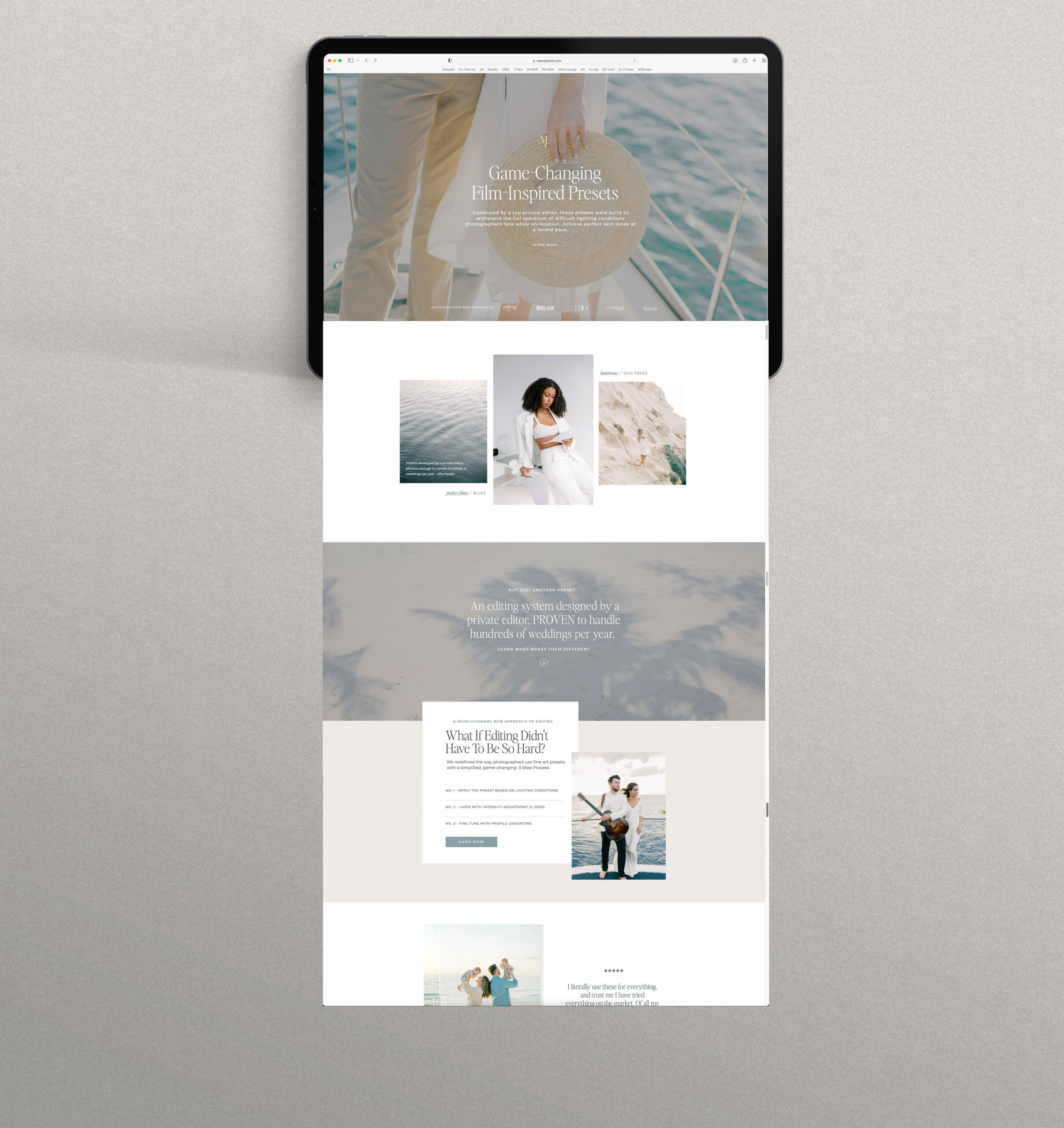
Graphic design SEO explains why beautifully designed websites often struggle to rank and what designers can do to fix that without compromising aesthetics. Search engines do not interpret design the way humans do, which means visual excellence alone rarely communicates enough context to support visibility.
This guide breaks down how graphic design SEO works, how design decisions affect rankings, and why clarity matters more than optimization tactics. You will see how structure, hierarchy, and explanation help search engines understand your work, why minimal design can create visibility gaps, and where graphic design SEO should be applied across portfolio pages, service pages, and supporting content.
If your site looks polished but remains difficult to find, graphic design SEO provides the missing layer. The goal is not to redesign your site. The goal is to translate your design intent into language search engines can understand so your work performs as well as it looks.
Table of Contents
- What Graphic Design SEO Really Means
- How Graphic Design Decisions Affect SEO
- Why Beautiful Websites Still Struggle With SEO
- Graphic Design SEO Is Translation, Not Optimization
- Where Graphic Design SEO Should Be Applied
- Frequently Asked Questions About Graphic Design SEO
- Final Thoughts: Design That Cannot Be Found Cannot Perform
What Graphic Design SEO Really Means
I see many designers feel confused when beautiful websites fail to rank. Designers put care into typography, spacing, imagery, and brand expression. That effort should lead to visibility, yet it often does not.
Search engines do not experience design the way people do. Google cannot interpret aesthetics, taste, or visual nuance. Search engines rely on structure, language, and context to understand what a page represents.
This disconnect creates the core challenge graphic design SEO solves.
Why Design Alone Does Not Communicate Context
Design communicates visually. SEO communicates context through language and structure. When those two systems operate independently, search engines struggle to understand intent.
I often see sites that look polished but lack clear signals. Headings do not explain purpose. Pages do not define who the work serves. Content assumes understanding without offering explanation.
Search engines cannot infer meaning from design choices alone. They need text, hierarchy, and clarity to determine relevance.
Graphic design SEO exists to translate visual intent into signals search engines recognize.
How Search Engines Interpret Graphic Design
Search engines read pages line by line. They look for patterns that indicate structure and priority. Headings establish hierarchy. Body text provides explanation. Internal links add relationships.
When design emphasizes minimalism without context, pages lose meaning. Large visuals without supporting copy leave gaps. Navigation without descriptive language creates ambiguity.
I do not see this as a design failure. I see it as a communication gap.
Graphic design SEO addresses that gap by aligning structure with expression. Design still leads the experience. SEO ensures that experience makes sense to search engines.
Graphic Design SEO Is Translation, Not Optimization
Many designers associate SEO with optimization tactics. That framing creates resistance because it feels technical and restrictive.
I approach graphic design SEO differently. I treat it as translation.
Design expresses identity visually. SEO expresses intent through language. Translation connects the two without altering the original message.
When designers add context intentionally, search engines gain clarity. Rankings improve because understanding improves.
This process does not require clutter. It requires alignment.
When graphic design SEO works well, visibility follows naturally. Your site communicates clearly to users and search engines at the same time.
How Graphic Design Decisions Affect SEO
Every design decision you make influences how search engines interpret your site, even when SEO never enters the conversation. I see this play out most clearly in layout, hierarchy, and content flow. Designers make choices to guide the human eye, but search engines rely on structure to understand priority. When layout emphasizes visuals without reinforcing structure, search engines struggle to determine what matters most on the page.
Hierarchy plays a major role here. Headings do more than support visual rhythm. They tell search engines how information relates and which ideas carry the most weight. When headings exist only for style or get skipped entirely, pages lose clarity. I often see beautifully designed pages where the visual hierarchy feels intentional, but the structural hierarchy feels invisible. That disconnect limits visibility because search engines cannot follow the same visual cues humans can.
Typography and spacing also influence engagement, which indirectly affects SEO. Clear, readable content encourages users to stay longer and interact more naturally. When text feels secondary or difficult to scan, users disengage quickly. Search engines pay attention to those signals. Good graphic design SEO supports readability and flow so content feels inviting rather than hidden.
Visual hierarchy shapes behavior as well. When users understand where to look and what to read next, they move through a site with ease. That movement signals clarity. When pages rely heavily on imagery without explanation, users feel lost. Design should guide experience, but SEO ensures that experience communicates meaning beyond appearance.
Graphic design SEO does not ask designers to change their instincts. It asks them to reinforce those instincts with structure. When design decisions consider how information gets interpreted as well as how it looks, visibility improves naturally.
Why Beautiful Websites Still Struggle With SEO
I work with many designers who feel surprised when a polished site fails to gain traction. The work looks complete, the brand feels strong, and the visuals align perfectly with the audience. Visibility still does not follow. This outcome usually comes from missing context rather than poor quality.
Many beautiful sites rely too heavily on visuals to tell the story. Images carry emotion and style, but they do not explain intent to search engines. Without supporting language, pages lack definition. Search engines need explanation to determine relevance. When designers assume the work speaks for itself, search engines miss the message entirely.
Minimalism can also create challenges when it removes clarity along with clutter. Sparse copy feels intentional from a design perspective, but it often leaves pages without enough information to establish purpose. Navigation labels feel vague. Page titles lack specificity. Calls to action remain subtle. Each of these choices makes sense visually, but together they reduce context.
I also see many sites where designers prioritize uniqueness over familiarity. Custom layouts look impressive, but unconventional structure can confuse both users and search engines. Search engines rely on patterns to interpret content. When structure deviates too far from expectation, meaning becomes harder to extract.
Beautiful design does not fail SEO. Design without explanation does. Graphic design SEO solves this by adding just enough clarity to support interpretation. When designers balance expression with context, sites gain visibility without sacrificing identity. The goal is not to design less, but to communicate more clearly.
Graphic Design SEO Is Translation, Not Optimization
I see many designers resist SEO because it feels like a technical layer added after the creative work finishes. That framing creates friction because it suggests compromise. I approach graphic design SEO differently. I treat it as translation rather than optimization.
Design communicates visually. SEO communicates context. Translation connects those two systems so they support each other instead of competing.
Why Optimization Feels Restrictive to Designers
Most SEO advice focuses on tactics. Designers hear instructions about keywords, headings, and structure without understanding why they matter. That advice often feels rigid and disconnected from creative process.
Optimization implies fixing something broken. Designers rarely see their work as broken. The design feels complete, intentional, and aligned with the brand. When SEO enters the conversation late, it feels like an intrusion.
That resistance makes sense. The problem is not SEO itself. The problem is the way SEO gets framed.
How Translation Changes the Way SEO Works
Translation shifts the goal. Instead of asking designers to change their work, it asks them to explain it.
Search engines need language to understand meaning. They rely on structure, hierarchy, and text to interpret what a page represents. Design already carries meaning for humans. SEO translates that meaning into signals search engines can process.
When designers explain their work through intentional headings, thoughtful copy, and clear page purpose, SEO improves naturally. Rankings increase because understanding improves. Nothing about the design needs to disappear.
What Translation Looks Like in Practice
Translation shows up in small, intentional choices. Project descriptions explain the problem solved instead of just showing visuals. Service pages describe who the work is for instead of relying on aesthetics alone. Navigation labels use language that reflects real intent rather than abstract concepts.
These choices do not clutter design. They clarify it.
Graphic design SEO works best when designers treat context as part of the experience. When explanation supports expression, visibility follows without forcing change.
Where Graphic Design SEO Should Be Applied
Graphic design SEO does not live in one place on your site. It works when it supports the entire structure. I focus on applying it where clarity matters most, rather than spreading it evenly across every page.
Portfolio Pages and Project Context
Portfolio pages often carry the strongest visuals and the least explanation. Designers assume the work speaks for itself. Search engines need more than visuals.
Project summaries add critical context. They explain industry, goal, and outcome. That explanation helps search engines connect your work to relevant searches. It also helps potential clients understand whether your experience matches their needs.
Graphic design SEO strengthens portfolios by adding meaning without disrupting presentation.
Service Pages and Core Messaging
Service pages play a different role. These pages define what you offer and who you serve. Search engines rely heavily on these signals to determine relevance.
Clear service language matters here. Each service page should communicate one core offering with supporting detail. Graphic design SEO ensures that structure stays focused and readable.
I see the strongest results when designers align service messaging with client language rather than internal terminology.
Supporting Content and Internal Structure
Blog posts, case studies, and educational content support the rest of the site. These pages build context around your work and reinforce expertise.
Graphic design SEO uses supporting content to create relationships between pages. Internal links guide search engines and users through your site logically. Structure replaces guesswork.
When portfolio pages, service pages, and content work together, visibility improves across the board.
Graphic design SEO does not require more pages. It requires clearer roles for the pages you already have.
Frequently Asked Questions About Graphic Design SEO
Does graphic design SEO mean changing how my site looks
Graphic design SEO does not require visual redesigns. I focus on how pages communicate meaning rather than how they appear. Structure, hierarchy, and language do most of the work. Design stays intact while context improves. In many cases, the site already looks exactly how it should. It simply needs clearer explanation for search engines.
Can a beautiful website rank without SEO
Some beautiful sites rank by chance, but those results rarely last. Search engines need consistency and clarity to rank pages reliably. When a site relies only on visuals, search engines lack enough information to understand relevance. Graphic design SEO provides that missing context so rankings become intentional instead of accidental.
Is graphic design SEO different from SEO for graphic designers
Yes, and the distinction matters. Graphic design SEO focuses on how design decisions affect visibility. SEO for graphic designers focuses on execution, services, and growth. One explains how a site communicates meaning. The other explains how to optimize performance. I see the strongest results when both work together rather than separately.
Do portfolio sites need graphic design SEO
Portfolio sites benefit greatly from graphic design SEO because search engines cannot interpret visuals on their own. Images show quality, but they do not explain industry, problem, or outcome. Context bridges that gap. When portfolios include clear structure and explanation, they become easier to discover and easier to evaluate.
Does minimal design hurt SEO
Minimal design does not hurt SEO on its own. Lack of explanation does. Minimal sites often remove text, headings, and structure in the name of aesthetics. That removal can make pages harder to understand. Graphic design SEO ensures minimalism still communicates intent clearly without adding clutter.
How much text does a graphic design website need for SEO
There is no ideal word count. Pages need enough text to explain purpose clearly. A few intentional paragraphs often outperform long blocks of unfocused content. I prioritize clarity over length. When content answers real questions, search engines respond positively.
How long does graphic design SEO take to show results
Some improvements appear within weeks when structure and clarity improve. Larger gains take longer as search engines reassess relevance and authority. Graphic design SEO creates momentum rather than instant results. Consistency matters more than speed.
Can I apply graphic design SEO myself or do I need help
Many designers can apply basic principles themselves once they understand the why. Complex sites or stalled growth often benefit from outside perspective. I built the 7-Day SEO Surge for designers who want clarity without months of trial and error. Guidance accelerates progress when direction feels unclear.
Does graphic design SEO still matter with AI search tools
Graphic design SEO matters even more as AI tools rely on language to understand content. AI cannot interpret design without explanation. Clear structure and context help your work remain visible across traditional search and emerging platforms.
Final Thoughts: Design That Cannot Be Found Cannot Perform
I believe designers deserve visibility that reflects the quality of their work. Beautiful design should not disappear because search engines fail to understand it.
Graphic design SEO exists to bridge that gap. It gives search engines the context they need without asking designers to compromise their vision. When design and SEO work together, visibility becomes sustainable.
If your site feels polished but invisible, the issue is rarely effort. The issue is clarity. Structure, context, and explanation unlock what already exists.
That is exactly why I created the 7-Day SEO Surge. The SEO Surge focuses on aligning design, structure, and strategy quickly. In seven days, we identify where your site lacks context, clarify how pages should communicate, and build a foundation that supports long term visibility.
If you want your design to perform as well as it looks, the 7-Day SEO Surge is the next step.
Browse By Category


Digital Creative Marketing Agency
A full-service digital marketing agency specializing in Showit website design, Shopify website design, SEO for creatives, and paid ad strategy across Pinterest, Meta, and Google. We help photographers, small business owners, and creative entrepreneurs build intentional brands that align with their vision and drive measurable results. Our signature services include social media marketing, Pinterest management, and 7-Day SEO and Ad Strategy Surges — all designed to increase visibility, improve conversions, and simplify growth. At High Tide Strategy, we combine data-driven strategy with refined design to create marketing systems that are both beautiful and built to perform.